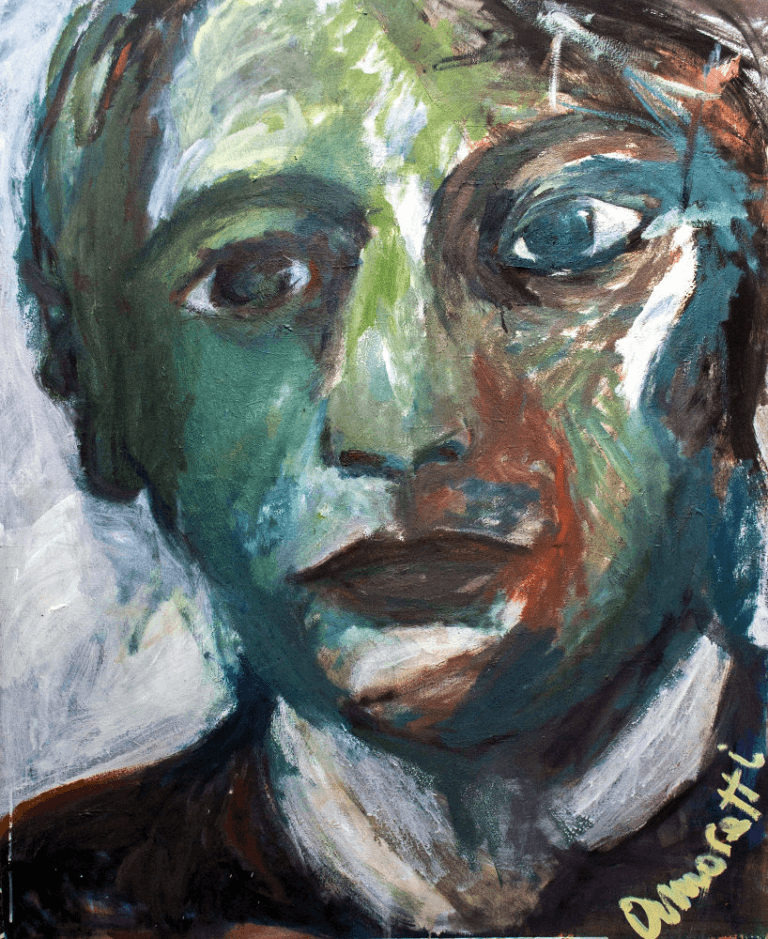
Light and Darkness: A Journey Through the Contrasts of Perception
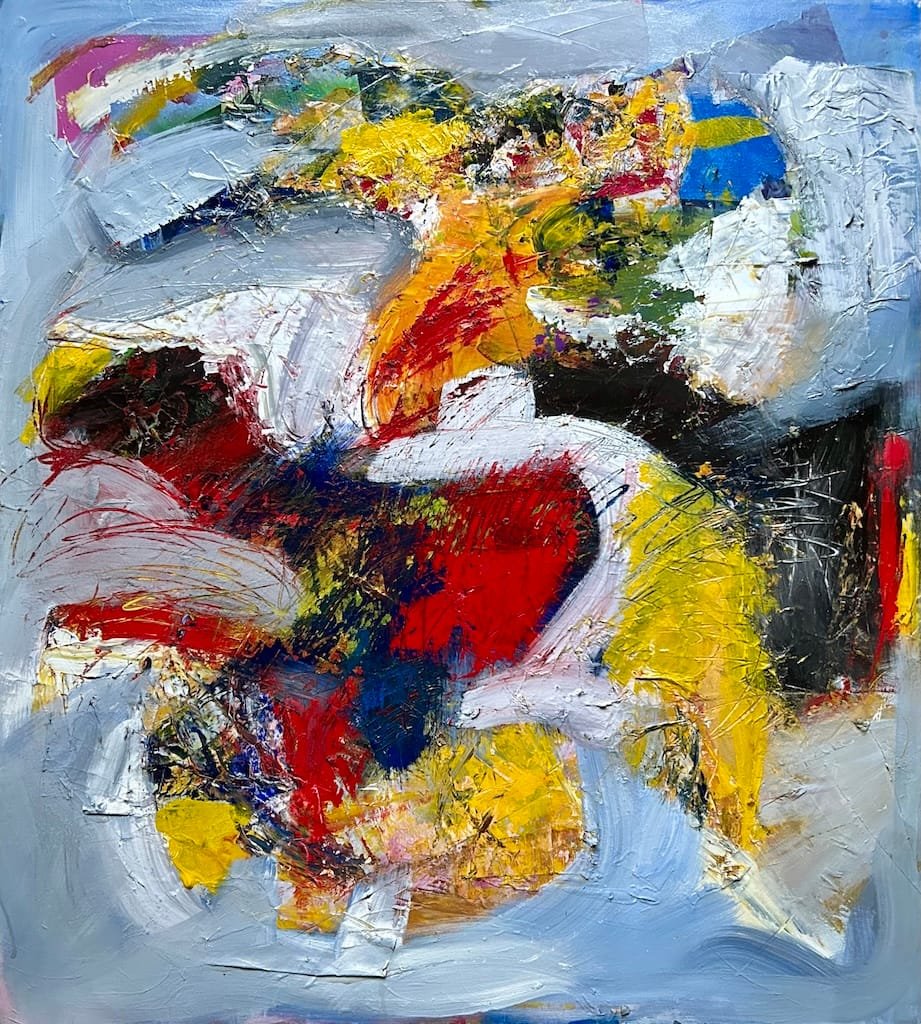
Introduction: The Dialectic of Light and Darkness
Throughout the history of art and philosophy, the dualism between light and darkness has always been a powerful metaphor for describing the human condition. This dichotomy is not only a physical distinction, but contains deep symbolic meanings that help us explore the complex balance between reality and dream, truth and deception.
The Meaning of Light in Art
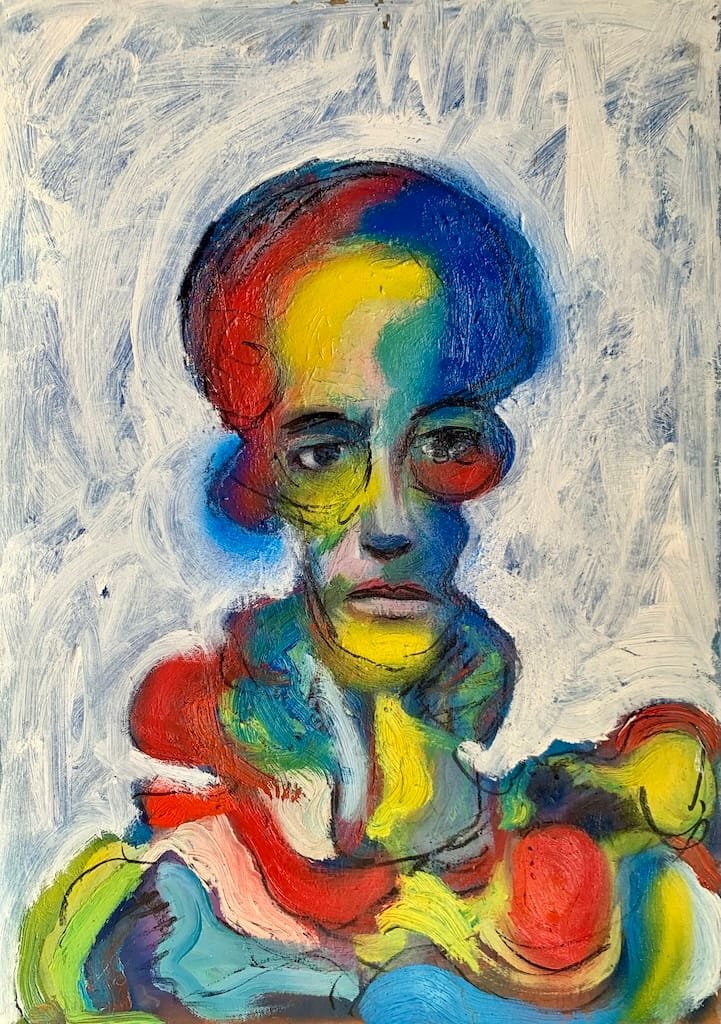
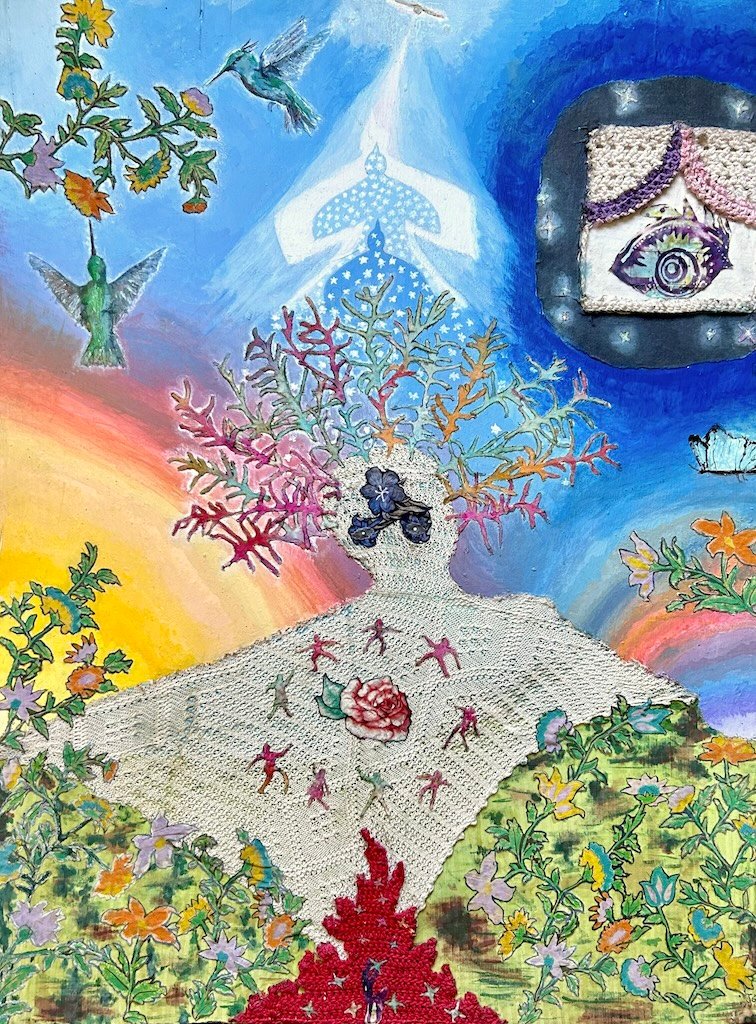
Light, a symbol of truth, enlightenment, and hope, has always played a fundamental role in the works of artists. It represents the revelation and clarity that allows the observer to see the world in all its nuances. In many artistic traditions, light is used to emphasize details, evoke emotion, and guide the eye on a path of discovery.
Darkness as Mystery and Introspection
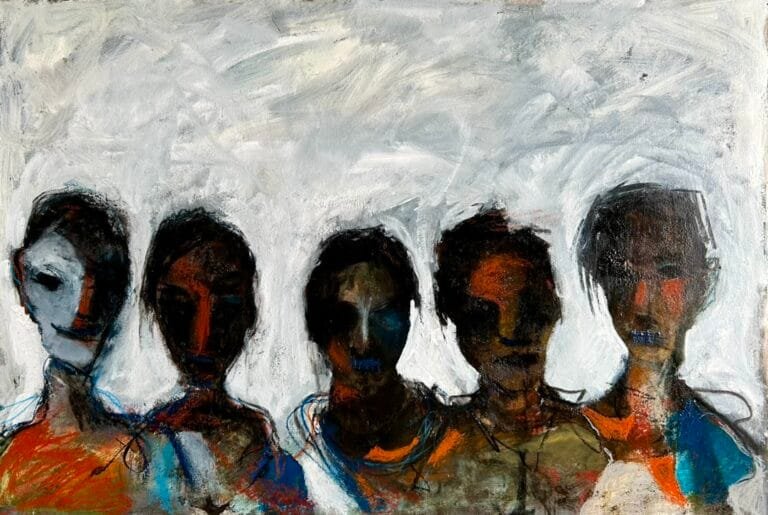
Conversely, darkness is often associated with mystery, depth, and introspection. It hides, veiling objects and transforming them into ambiguous shapes. This element, rather than limiting, expands the interpretative possibilities, leaving room for imagination and reflection. Many artists and thinkers have used darkness as a means to explore the hidden side of the human psyche and the world.
The Thin Line Between Reality and Dream
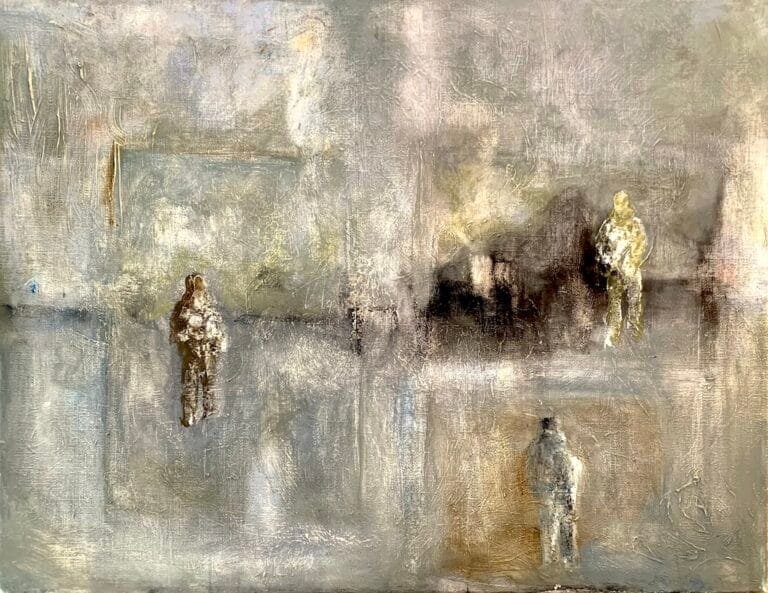
The relationship between light and darkness is also reflected in the delicate balance between reality and dream. When light and shadow merge, they create atmospheres that seem suspended between the tangible and the dreamlike. This in-between space is a place of investigation for many artists, where the boundary between what is real and what is imagined dissolves, opening up new perspectives and interpretations.
The Allure of Contradiction: A Philosophical Interpretation
Exploring light and darkness involves confronting a contradiction: the need for one to fully understand the other. This concept recalls some philosophical currents, such as Plato’s dualism or the yin and yang of Eastern philosophy, which see the coexistence of opposites as the key to a deeper understanding of reality. Through this lens, the contrast between light and darkness is not a simple opposition, but a harmonious dance that enriches the human experience.
Conclusion: Light and Darkness as the Engine of Creativity
In short, light and darkness are not just visual elements but become tools to investigate the human condition and its existential dilemmas. Artists, through their works, are able to manipulate these two elements to create new realities and perspectives, transforming every contrast into an inexhaustible source of creativity.