The artist’s intention
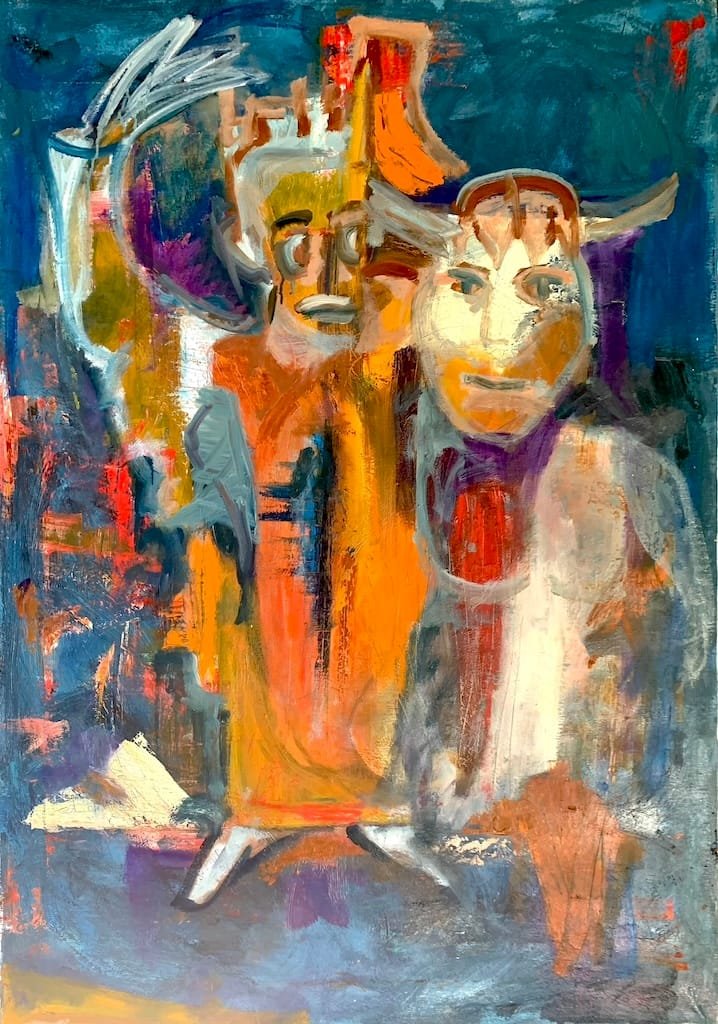
Abstract art doesn’t represent reality, but rather expresses our imagination through shapes and colors. With its colors and symbols, abstract art exerts an energetic influence on the viewer’s soul.
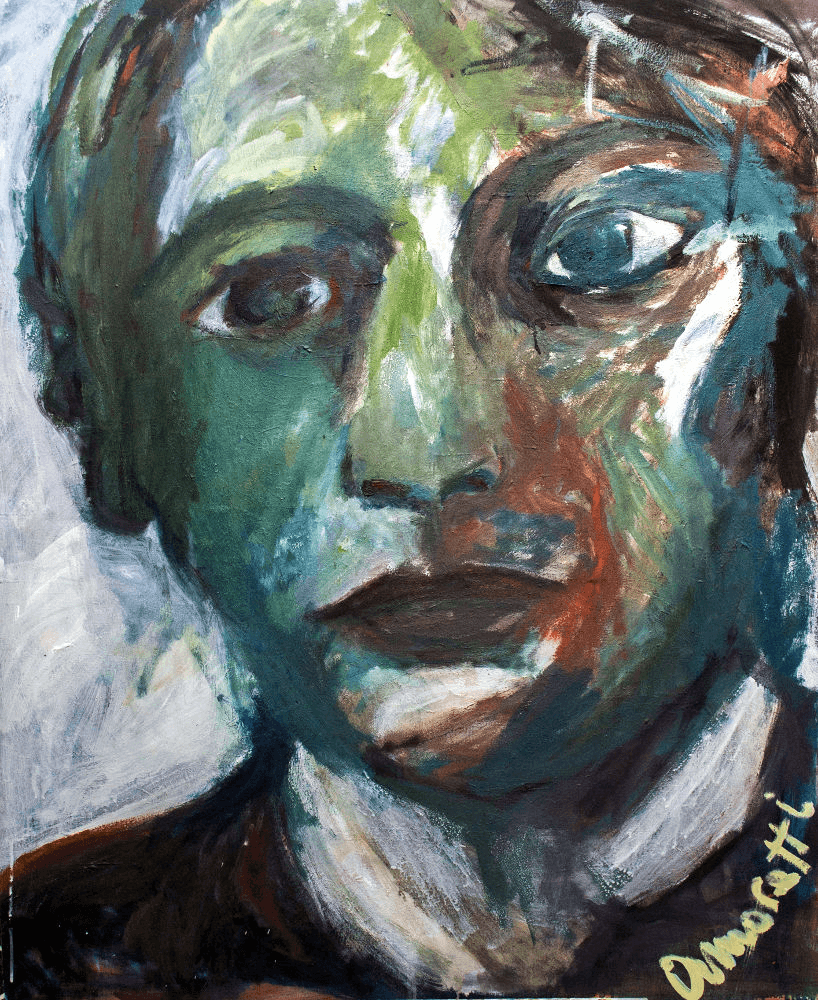
But is it always like this? Certainly, every form of pictorial art subjectively influences its users, whether abstract or figurative.
When we form an opinion on a painting, what do we base our judgment on? When we speak of a painting as the product of the artist’s particular intention, what are we really talking about? Interpreting a work of art, trying to understand the motives of its creator, is a simple and at the same time problematic, if not paradoxical, operation.
“Intention is the foundation of every artistic pictorial experience, whether abstract or otherwise. Intention is a field of energy, a universal force that we must learn to tap into in order to harness its full power and truly become the architects of our own destiny.”
said Wayne W. Dyer, American writer and psychologist.
A pictorial work must be considered as an artefact of intention.
We ask ourselves why certain objectively beautiful paintings communicate nothing to us, while others, despite the simplicity of their lines and colors, pervade us with a thousand feelings?
Abstract or figurative art and all other currents, if they do not have a process of intention at their base, will remain only objects without soul or identity.
So whether a work is abstract or figurative, or even simply a blank canvas with an invisible dark dot, if it does not integrate the artist’s intention it will not have a life of its own but will be an object without energy.