Abstract Art
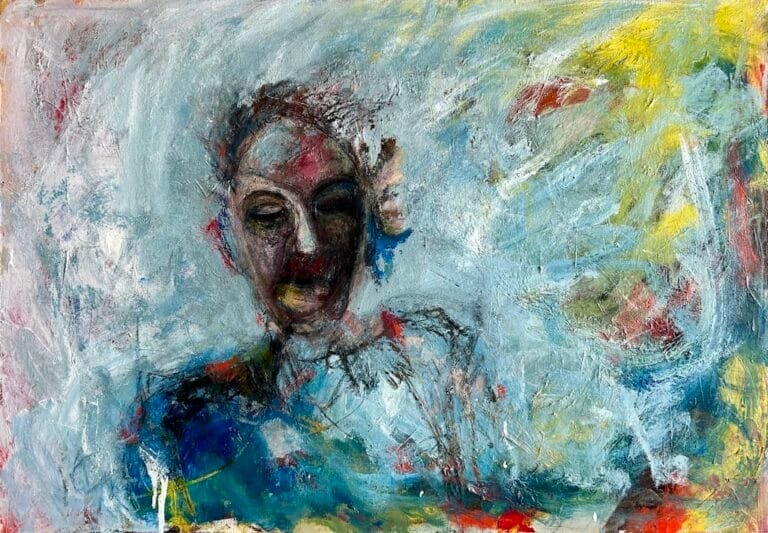
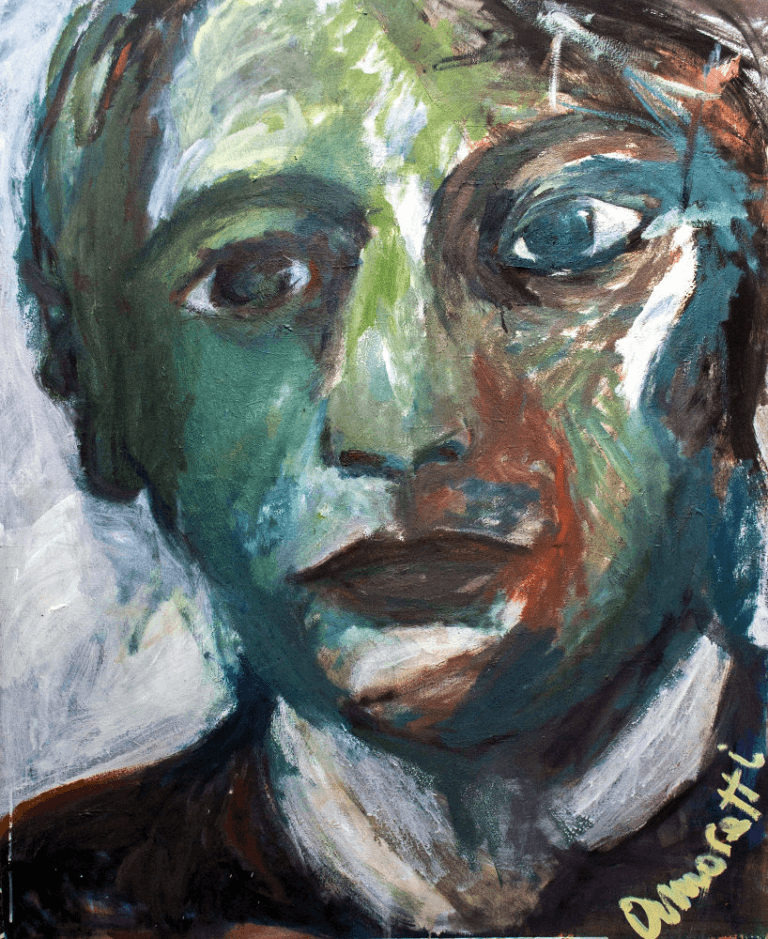
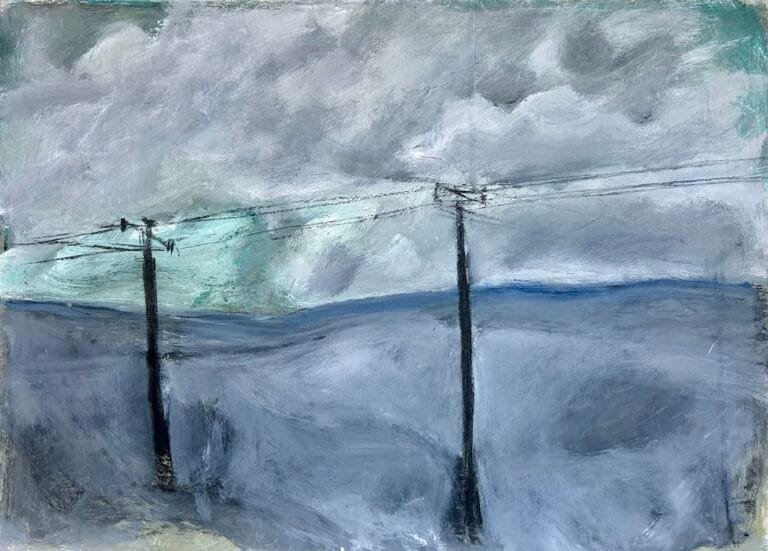
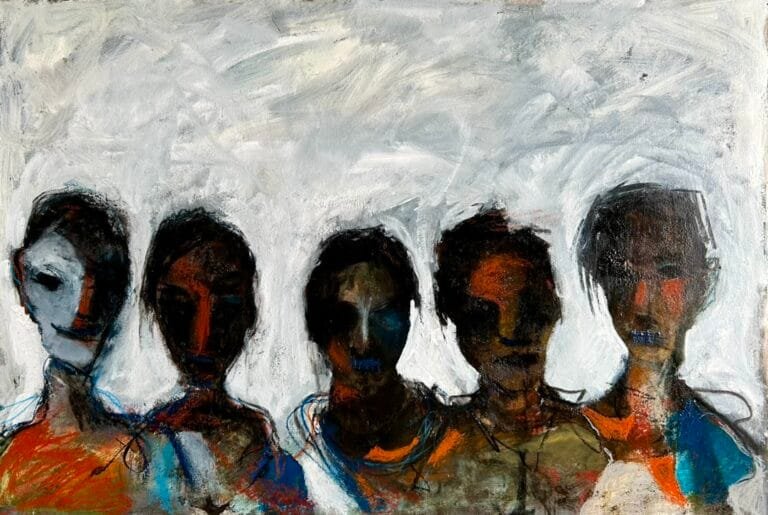
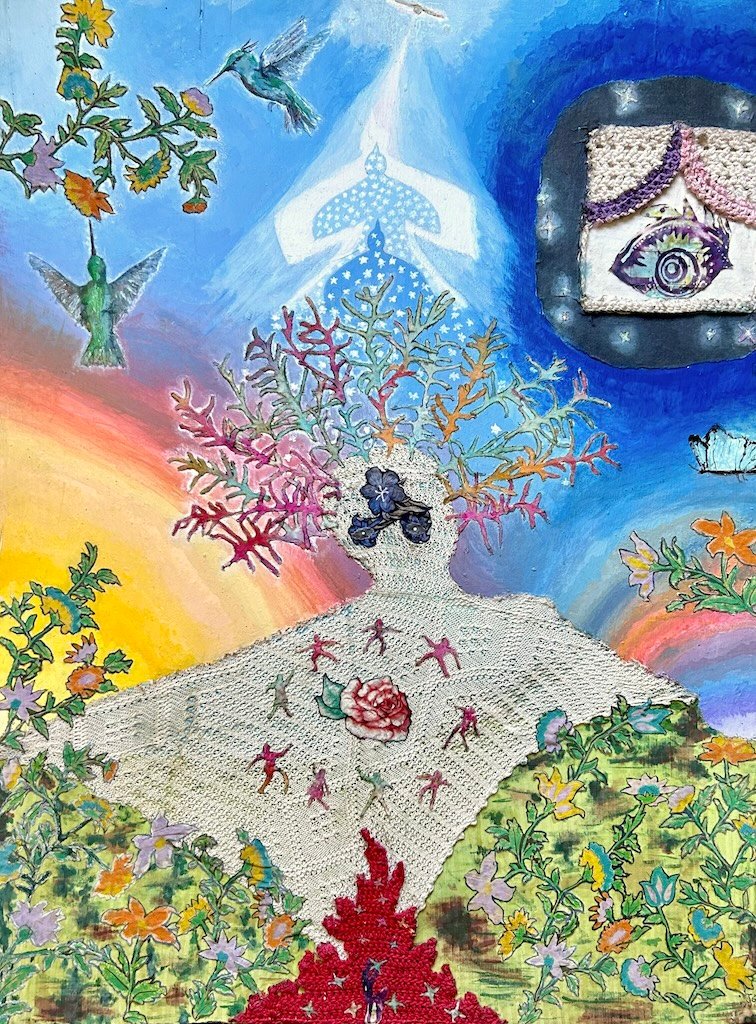
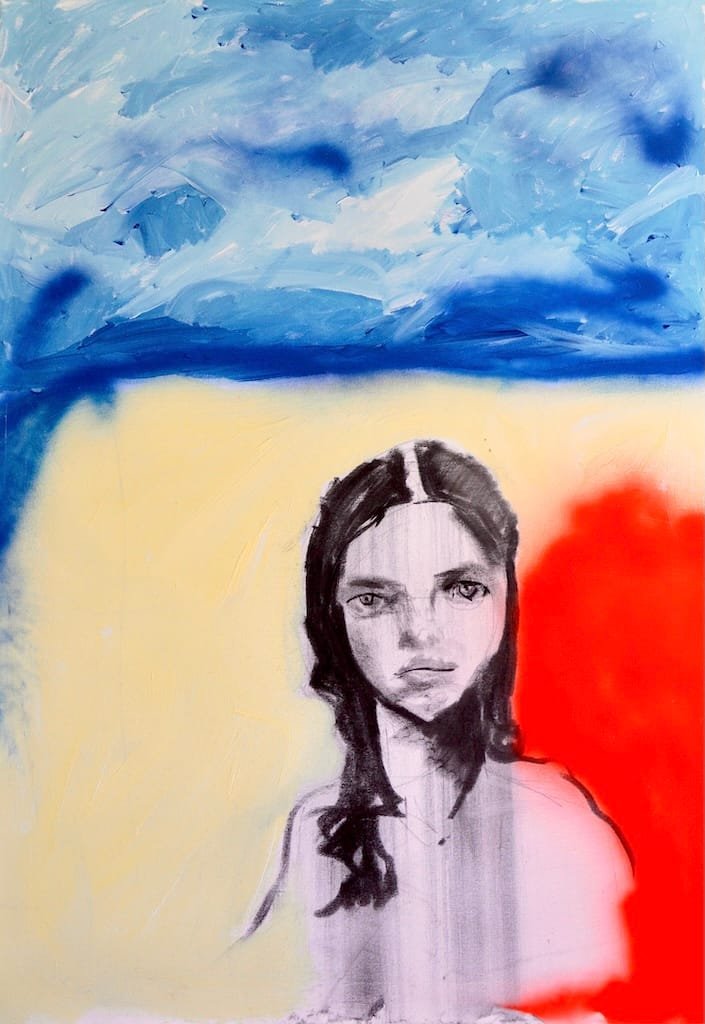
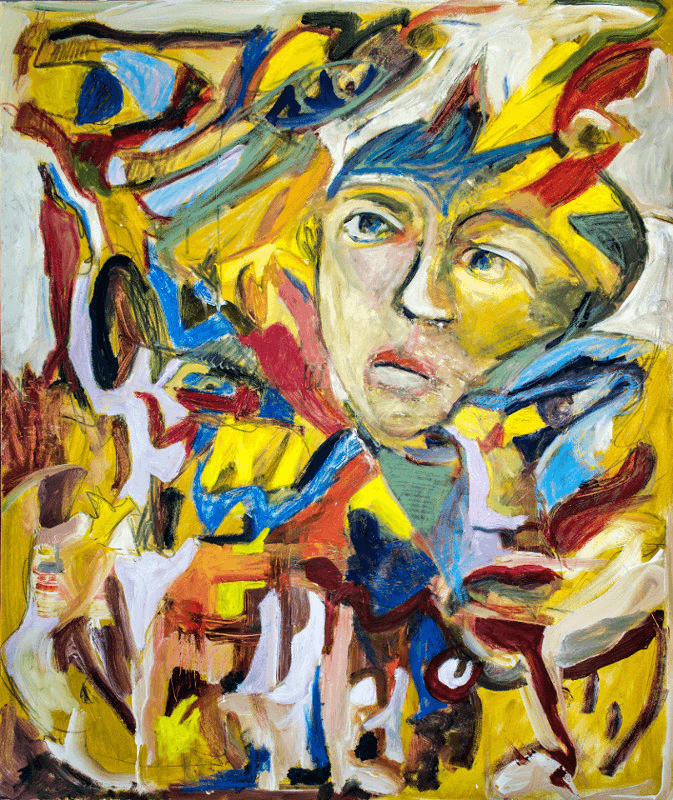
Abstract art, both past and present, represents a form of artistic expression that distances itself from the direct representation of reality. While traditional art seeks to capture recognizable figures, landscapes, or scenes, abstract art focuses on using color, shape, line, and texture to create works that can evoke emotions, ideas, or reflections without depicting specific objects or subjects in the conventional way.
Abstract Art in the Past: During the 20th century, abstract art gained ground as a prominent movement, challenging the artistic conventions of the time. Artists such as Wassily Kandinsky, Piet Mondrian, and Kazimir Malevich were pioneers in this field, exploring the abstract use of shapes and colors. Kandinsky, for example, is often cited as one of the first creators of purely abstract works, seeing art as a means of expressing inner emotions rather than representing the external world.
Abstract Art Today: In the contemporary context, abstract art continues to be a vital and dynamic force in the art world. Modern and contemporary artists have pushed the boundaries of what can be considered abstract art by incorporating new materials, techniques, and technologies. Abstract art today is not just confined to painting or sculpture, but can be found in installations, digital art, and even performance. These artists often combine abstraction with social, political, and personal commentary, demonstrating that, even as abstract art strays from literal representation, it can be deeply engaged with the real world.
Giacometti once said: “The object of painting is to destroy painting.” This reflection captures the essence of how abstract artists often seek to break with tradition and continually reinvent visual language.
Conclusion: Abstract art, both past and present, is a reflection of the continuing evolution of human expression through the visual arts. While methods and materials may change, the intent to explore ideas and feelings beyond concrete representations remains a powerful constant. This art genre invites viewers to immerse themselves in a world of personal interpretation, offering a unique window into the artist’s inner landscape.